Bought a new home in California? The 11-month inspection before the builder warranty ends
New construction usually comes with a one-year builder warranty — and many owners only notice the defects after it has expired. Here is how the inspection done in month 11 works, what California law covers beyond the first year, and how to request repairs.
New houses have defects too
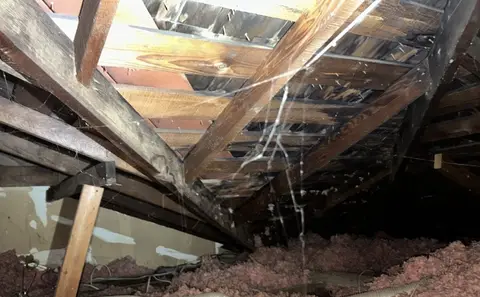
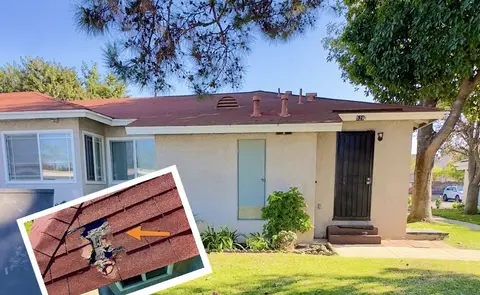
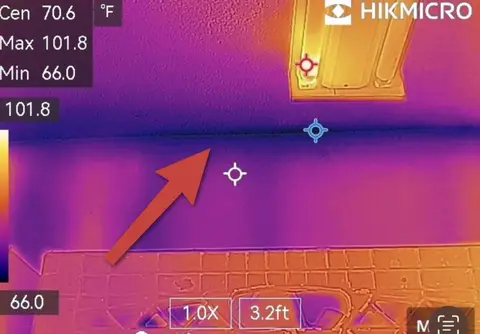
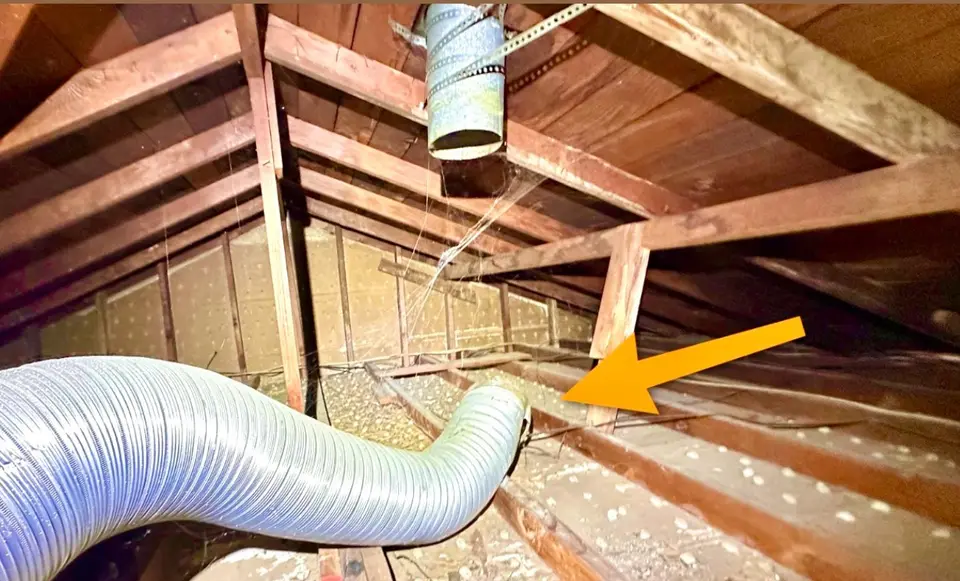
People who buy new construction often skip the inspection: everything was just built, the builder has a name, there is a warranty. Inspector Aguiar says new houses do have defects — he expects 10 to 15 findings on recent construction — and points to an inspection many owners do not know exists: the 11th month.
What the 11-month inspection is
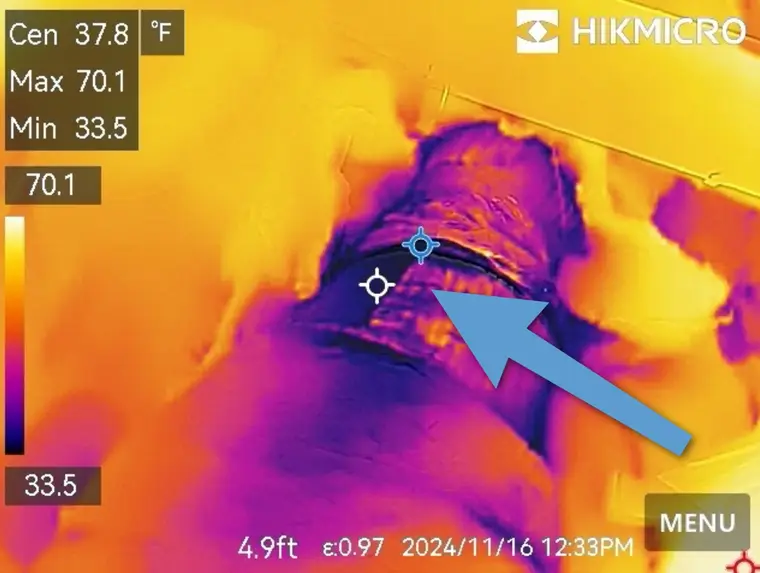
Builders normally give a one-year warranty on fit and finish and general items. Shortly before that first year ends, the owner hires an independent inspector to go over the whole house and list everything that has shown up — doors out of alignment, settlement cracks, loose ducts, small leaks, the roof, drainage.
With that list, the owner goes back to the builder while the warranty is still active. Aguiar sums up the math: the owner pays for the inspection, but fixing things out of pocket can cost many times more.
“I find a few things and the owner says: I’m calling them back.” — inspector Aguiar
What California law covers beyond the first year
The builder’s warranty is only one part. For homes sold on or after January 1, 2003, California’s Right to Repair Act — known as SB 800 (Civil Code sections 895 to 945.5) — applies. It sets construction standards and deadlines to claim defects. Among the main ones:
- 1 year: the builder must offer a written warranty of at least one year on fit and finish items — cabinets, countertops, flooring, paint, among others;
- 4 years: for defects in plumbing and sewer systems, the electrical system, and walkways and driveways;
- up to 10 years: the general deadline for defects that violate the law’s standards, including structural ones.
Document early
The deadlines have specific rules and exceptions, and the clock may start at completion of construction or at delivery. That is why the 11-month inspection is also a way to document what exists early, with photos and a date.
How to request repairs
Within the builder warranty, the route is the builder’s customer service, with the inspector’s list. When the issue is a defect covered by SB 800, the law sets a pre-litigation procedure:
- the owner sends the builder written notice describing the defect;
- the builder has 14 days to acknowledge receipt, and short deadlines to inspect;
- after inspecting, the builder may offer the repair in writing, with a deadline to finish it;
- if the builder does not follow the procedure or complete the repair, the owner can go to court.
Read your closing documents
Many new-home contracts also include an arbitration clause and procedures of their own. Read the documents you received at closing and, for a significant defect, talk to an attorney who specializes in construction defects.
Inspections for owners, too
Inspection is not only for buying. Owners hire it to keep the house in good shape, or to get it ready to sell by fixing problems before listing. Keep in mind that a report becomes information known to the seller and must be disclosed to buyers.
A checklist if you bought new construction
- Write down the warranty start date and schedule the inspection around month 10, so you have time to send the list.
- Photograph and date each problem as soon as it appears, without waiting for the inspection.
- Make claims in writing and keep the tickets and responses.
- Do not fix on your own an item the builder should repair before it has had a chance to evaluate it.
- Keep your closing documents: warranty, owner’s manual and arbitration clauses.
This article is for general information and is not legal advice. SB 800 deadlines and procedures have exceptions; for a significant defect, consult an attorney.