The 4-point inspection: what your home insurer looks at before renewing
Roof, electrical panel, plumbing and air conditioning. More and more insurers send an inspector to the house before they issue or renew a homeowners policy — and some older items are common reasons for a refusal until they are replaced.
Why insurers now ask for an inspection
For years, renewing homeowners insurance in California was a formality. That has changed. In a tight insurance market, many companies now want photos and a report on the house before they take on the risk.
The most common format is the 4-point inspection. Inspector Aguiar walks through each of the four items below.
1. Roof
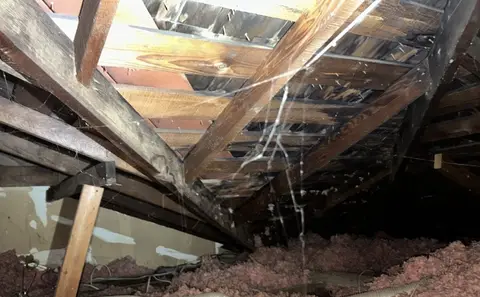
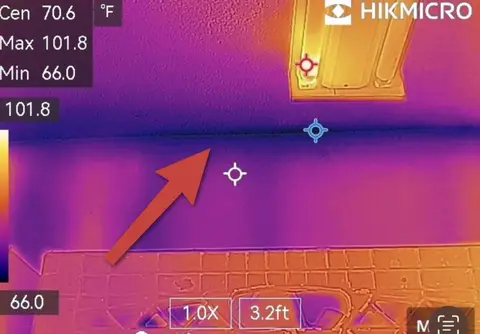
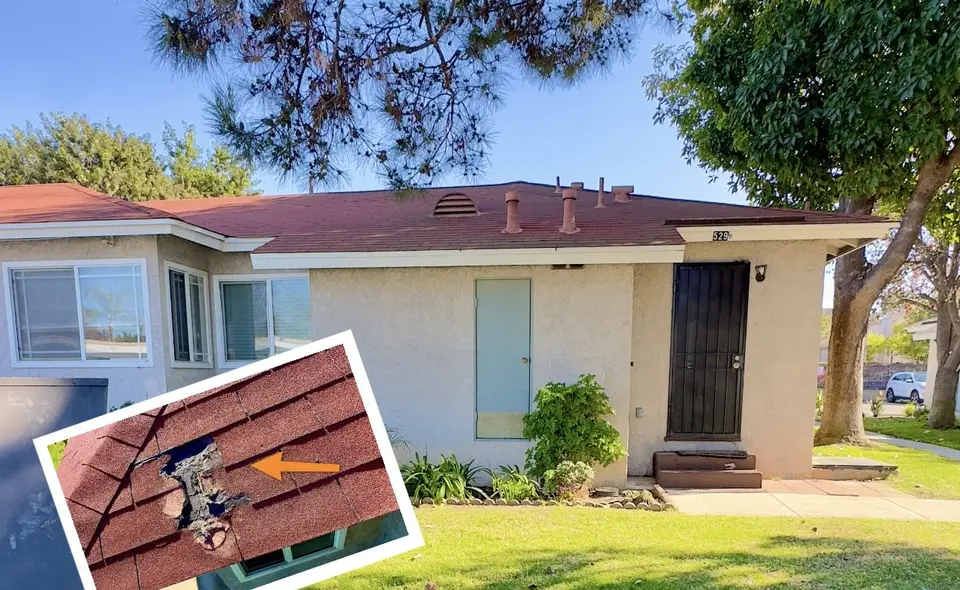
The insurer wants to know the condition and approximate age of the roof, whether there are signs of leaks, recent repairs and fire risk. Aguiar photographs the roof with a drone and goes into the attic to look for water stains.
Roofs near the end of their service life are the ones most likely to trigger a replacement request. Aguiar recalls inspecting a house whose roof was in such poor shape that, in his assessment, it was a serious fire hazard — with that roof, the policy would not be renewed.
2. Electrical panel: brands that often get flagged
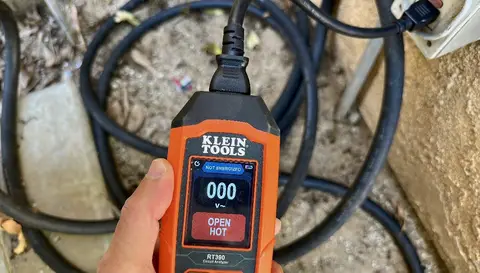
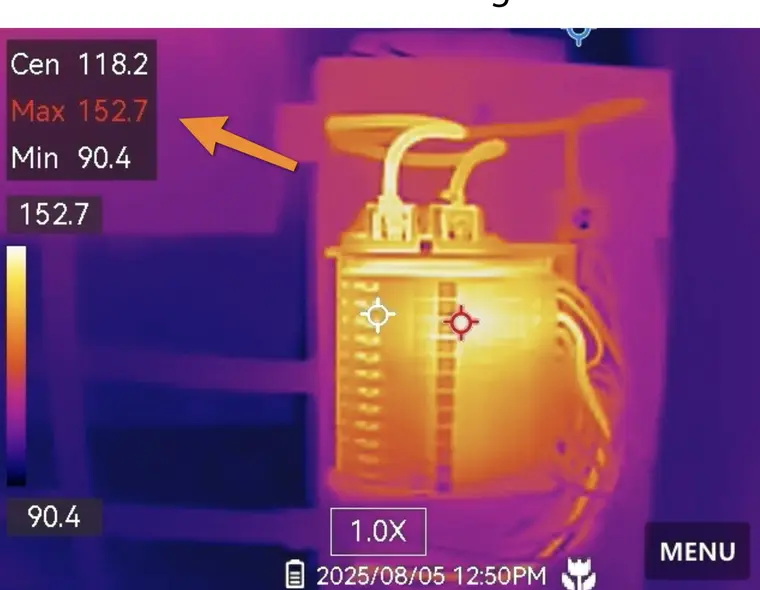
Some older panel brands have breakers that may fail to trip during an overload or short circuit — which is exactly their job. The brands most often flagged by inspectors and insurers are:
- Zinsco (also sold as Sylvania-Zinsco), common in homes built in the 1960s and 1970s;
- Federal Pacific Electric (FPE), especially the Stab-Lok line;
- Bulldog Pushmatic, very old panels with push-button breakers;
- some Challenger models with a known recall.
The inspector has to name the brand
Aguiar says the brand belongs in the report, even when it can complicate a sale, because the insurer will not accept the policy until the panel is replaced. One of his clients in San Diego replaced her panel; after that, new photos were all it took for the renewal to go through.
3. Plumbing: galvanized, copper, PEX
In plumbing, the item that usually fails is galvanized iron, used in older homes. Over time it corrodes from the inside, reduces water pressure and can leak. Newer plumbing uses copper or PEX, a flexible plastic tubing.
The problem is that you cannot always tell by looking. Aguiar tells two stories that show both sides:
- The pipe that looked galvanized: a thick, dirty exterior pipe, painted gray and threaded, looked like galvanized iron. The insurer froze the renewal. Aguiar went back, scraped the paint and found painted PVC — and corrected the report with close-up photos.
- Copper outside, galvanized inside: at a house in the Riverside area, the visible plumbing out front and in the garage was copper. Scraping the supply lines under the sinks, Aguiar found galvanized pipe in every bathroom.
4. Air conditioning and heating
The fourth item is the HVAC system: age, brand, model and condition. Aguiar sees it as the least decisive item for insurers, but he warns buyers about units that still run on R-22 refrigerant. Under U.S. EPA rules, new equipment stopped being made with R-22 in 2010, and its production and import ended on January 1, 2020. An old unit may still work, but when it breaks the repair tends to be difficult or impossible — and replacing the system becomes a cost.
What to do
- Buyers: before you remove the inspection contingency, get an insurance quote using the findings in the report. A roof, panel or plumbing the insurer will not accept becomes an immediate cost — and a negotiating point.
- Ask for close-up photos of the pipe material and the panel label in the report. When in doubt, the inspector can scrape a small section.
- Owners: if your insurer asks for an inspection, you now know what will be checked. Fixing it before the visit can save you a round of rejection.
- Do not hide or dress up a problem. Replacing only the visible plumbing does not change what is inside the walls.
This article is for general information. Acceptance criteria vary from insurer to insurer and change often; confirm the requirements with your insurance agent.