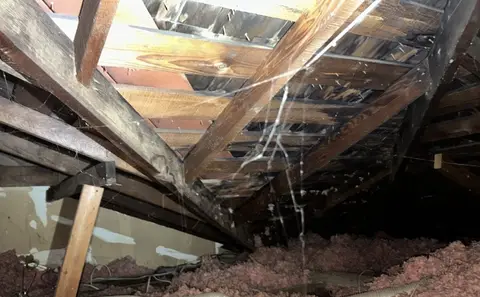
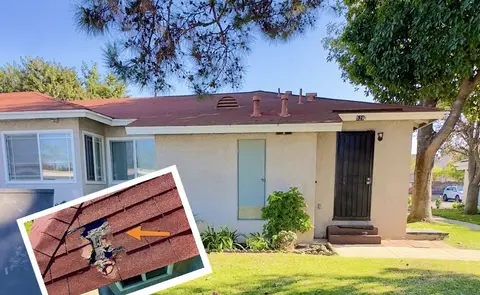
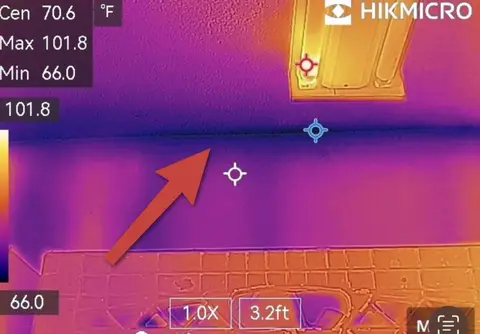
How to choose a home inspector in California: experience, rules and who they work for
Few decisions in a home purchase carry as much weight as choosing the inspector. Here is what California rules actually say, why hands-on construction experience matters, and a checklist for hiring.
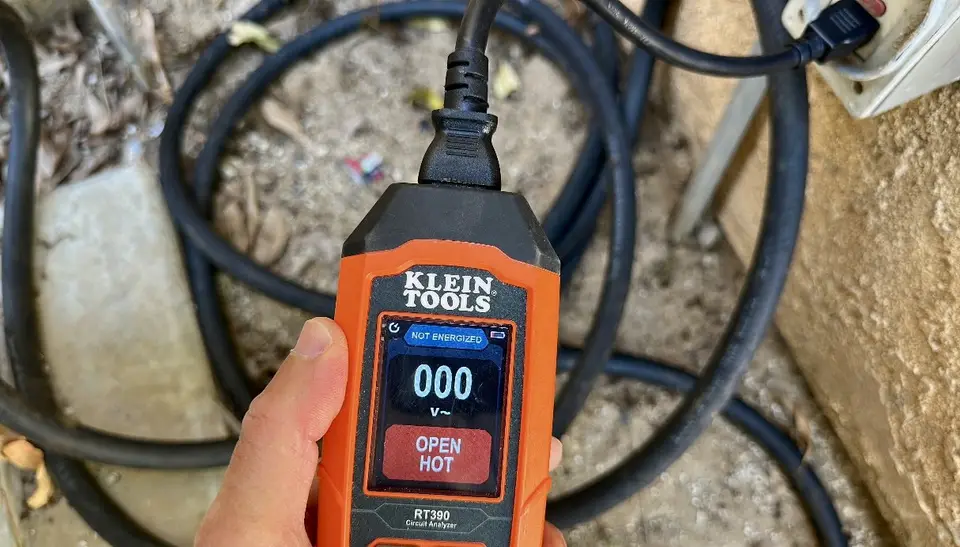
Why the inspector matters so much
During the contingency period — the window in which the buyer can still examine the property and renegotiate or walk away — the inspector is the one who tells you what is behind the fresh paint. Even so, plenty of people hire the first name that comes up.
Is there a home inspector license in California?
Not a license issued by the state. Unlike states such as Texas and Florida, California does not license home inspectors. In practice, the market relies on certification from professional associations, which require continuing education and keeping membership current. InterNACHI and CREIA (California Real Estate Inspection Association) are two of the associations you will see.
What California law requires
Even without a license, the work is regulated. The Business and Professions Code, sections 7195 to 7199, defines a home inspection and sets rules of conduct. Among them:
- the inspection must meet the standard of care of a reasonably prudent inspector, with a visual examination of the accessible systems and components;
- an inspector may not offer or perform repairs, for a fee, on a house that they or their company inspected in the previous 12 months;
- an inspector may not inspect a property in which they have a financial interest;
- the inspector’s pay may not depend on the outcome of the inspection or on the deal closing;
- contract clauses that waive or limit the inspector’s liability for errors are, as a rule, void.
Why construction experience counts
Aguiar says what holds the work up is knowing how to do repairs: replacing drywall, hardwood flooring, protected outlets. In his words, someone who cannot replace an outlet cannot evaluate an outlet, and someone who cannot adjust a door cannot tell you whether it is out of adjustment.
He is critical of a model common at large firms: big teams paid by the hour, often beginners, pushed to do several inspections a day. The result can be a report that scares people for no reason — or one that misses what matters.
Who is the inspector’s client?
If an agent suggested the inspector, who does the inspector work for? Aguiar is direct: the client is whoever signs the inspection agreement and pays for it — usually the buyer. The buyer has the right to choose any professional; an agent can suggest names, but the choice belongs to the person buying.
“Helping close the sale doesn’t mean lying, it doesn’t mean leaving problems out, it doesn’t mean hiding things.” — inspector Aguiar
When the seller orders the inspection
A seller can also order an inspection before listing. But if the seller has a report, it has to be handed to the buyer: in California, the seller must disclose what they know about problems that affect the value or desirability of the property. That does not replace the buyer’s own inspection within the contract window.
The question an inspector should not answer
Aguiar tells of a buyer who asked an inspector, at the end of the visit, whether he would buy the house — and the inspector said no, about a house in excellent condition. The inspector’s job is to describe conditions, not to give a buying opinion or price each repair. Estimates come from a licensed contractor; the decision belongs to the buyer.
A checklist for hiring
- Ask for the inspector’s certification and verify it on the association’s website.
- Ask about hands-on construction experience and how long they have inspected in your area.
- Ask for a sample report: photos, a clear location for each problem and language you understand.
- Confirm professional liability (errors and omissions) and general liability insurance.
- Ask what is not covered and which specialized inspections they recommend (roof, sewer, termites, mold).
- Be there at the end. A live walkthrough makes clear what is serious and what is a detail.
- Be wary of anyone offering to do the repairs on the house they just inspected — in California, that is prohibited.
This article is for general information and is not legal advice. Confirm current rules and credentials directly with the organizations mentioned.