Home inspection in California: the 17-day window and what actually gets checked
It is not required by law, and it is done in practically every purchase. Here is how the standard inspection window works, what a general inspector looks at and why the most important line in the report is often a referral.
Not required, but nearly universal
California law does not require the buyer to inspect. What exists is the contract: the standard California purchase agreement (RPA) expressly recommends investigating the property and says that skipping it is a risk the buyer takes on.
In practice, it is the norm. Buyers usually waive it only in a very hot market, to make an offer stand out — an “as is” purchase. Waiving the inspection does not erase the seller’s duty to disclose known defects. What you lose is the chance to find the ones the seller does not know about — and those tend to be the expensive ones.
The 17 days
The standard contract deadline to investigate the property is 17 days after the offer is accepted. Everything has to fit inside that window: scheduling, inspecting, reading the report, bringing in specialists and deciding what to ask of the seller.
It is tight. Booking the general inspection in the first days of the window leaves room for a second round with specialists — which is where the costly problems show up. By default, the loan and appraisal contingencies run on the same 17-day clock.
What the general inspector looks at
The general inspection is visual and non-destructive — walls are not opened. But it covers the whole house:
- Structure and foundation — cracks, uneven floors, signs of soil settlement.
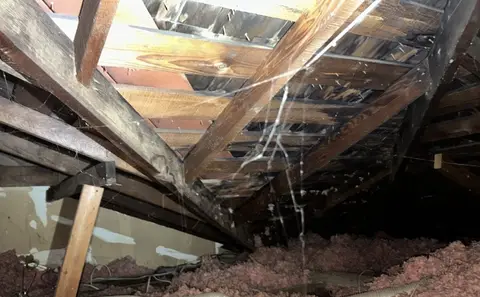
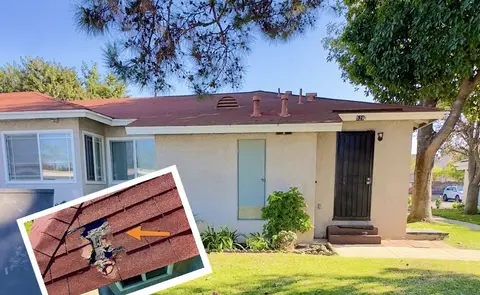
- Roof — condition of the shingles or membrane, flashing, signs of leaks.
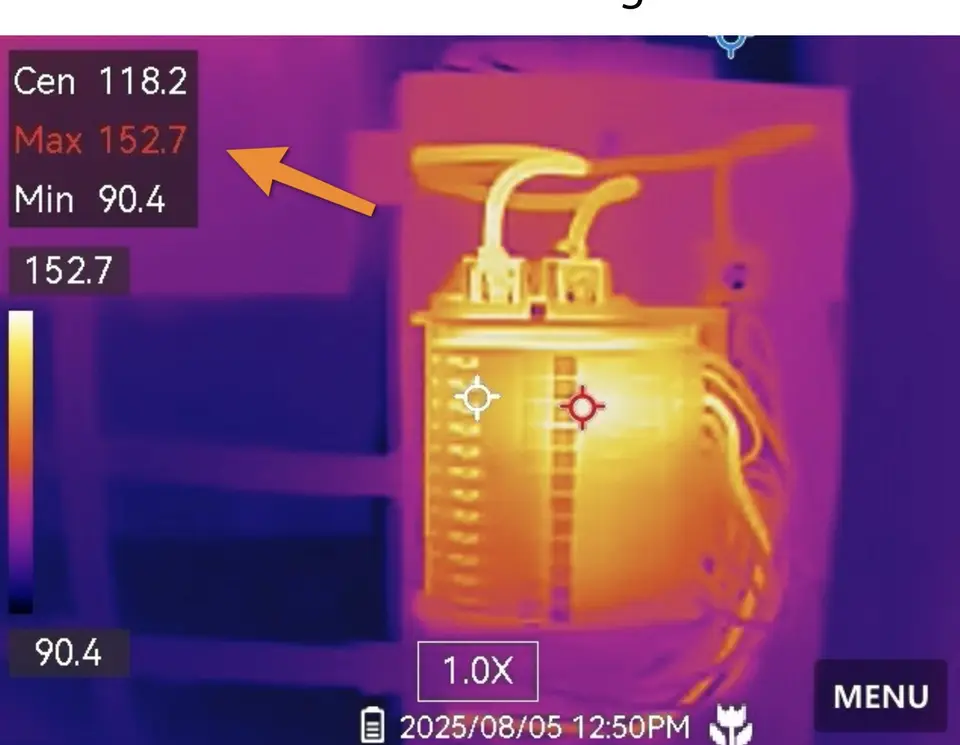
- Electrical — panel, outlets, grounding, exposed wiring.
- Plumbing — faucets, pressure, leaks, water heater.
- Heating and air conditioning — whether they work.
- Doors and windows — whether each one opens and closes. A door that swings on its own often points to an out-of-level floor.
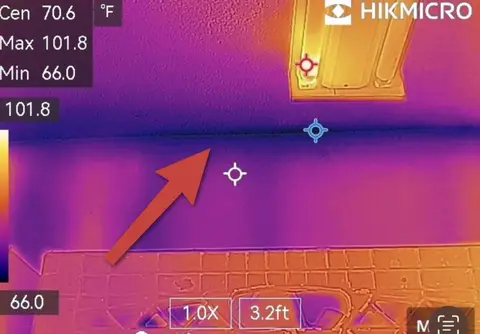
- Moisture — stains, smell, signs of past water intrusion.
About inspector credentials
California does not license home inspectors. The Business and Professions Code (sections 7195 to 7199) defines the activity and the standard of care. In practice, the market relies on professional associations; asking for the inspector’s credential before hiring is the bare minimum.
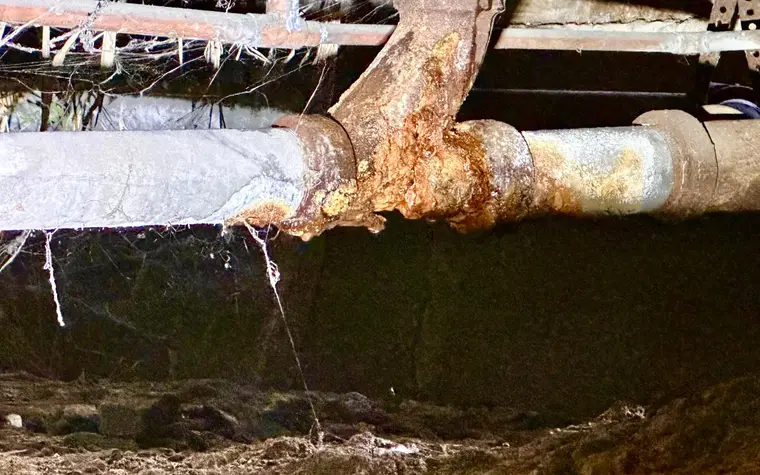
The report that tells you to order another report
Often the most important line in a general report is a referral — the inspector saying an item is beyond their scope. The most common specialized inspections:
- Structural — an engineer, when there is a significant crack or suspected soil movement.
- Roof — the remaining service life changes the math considerably.
- Sewer camera — essential in an older home.
- Termites and pests — the pest inspection is separate from the general one.
- Mold — when there are signs of persistent water intrusion.
When the seller orders the inspection
Some sellers order an inspection before listing and hand the report to anyone who makes an offer. It adds transparency, but it does not replace your own inspection: that report was commissioned by the other side.
How to make good use of the 17 days
- Book early. Talk to an inspector while you are still house-hunting.
- Be there for the inspection. What the inspector says walking through the house is worth as much as the report.
- Read the summary and recommendations first; the referrals are what decide things.
- Do not confuse wear with defects. Every house has maintenance items; what matters is what is expensive, urgent or structural.
This article is for general information. Contract deadlines can be changed by agreement; check the terms of your own purchase contract with your agent.