Buying a home near the beach in California: termites, moisture and mold
Ocean air and the wood framing of California houses make a combination many buyers underestimate. Here is what the inspection needs to check in a coastal home — and how to read the termite report.
Why wood-framed houses are more exposed
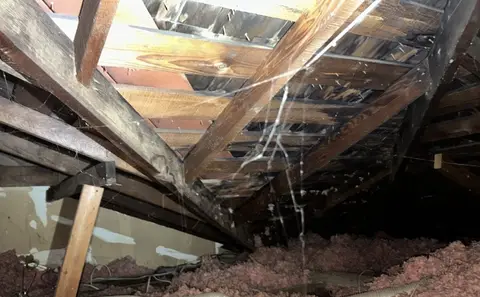
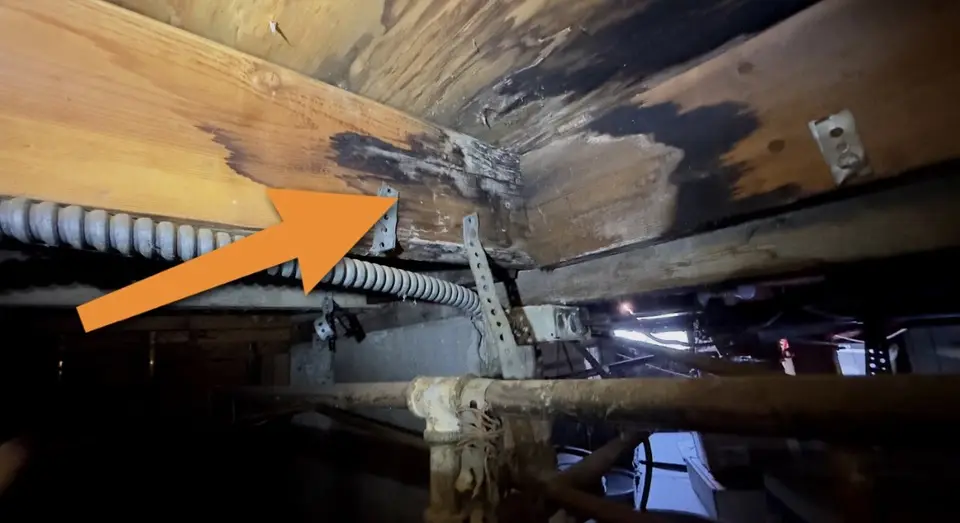
Most homes in Southern California have wood framing: beams, walls and, often, the base the house rests on. It is an efficient system well suited to earthquake country, but it turns termites from a nuisance into a structural problem. A little “sawdust” falling from a door frame is a warning sign here.
Near the ocean, constant humidity makes it worse. Damp wood moves more and deteriorates faster, and moisture also encourages mold and wood rot.
Coastal termites — and the tented house
On the Southern California coast, the dominant type is the western drywood termite, which lives inside the wood and does not need contact with soil. The tiny pellets it pushes out look like sawdust or fine sand. There are also subterranean termites, which come up through the soil and build mud tubes on foundations.
When a drywood infestation is spread through the house, the standard treatment is tent fumigation: the whole house is covered and treated with a gas that reaches inside the wood. Residents leave for about two to three days, and food and medicine must be bagged or removed. Localized infestations can be spot-treated without a tent.
The termite report: Section 1 and Section 2
In California, the wood-destroying organisms (WDO) inspection is done by a company licensed by the state’s structural pest control board. The report separates findings into two main groups:
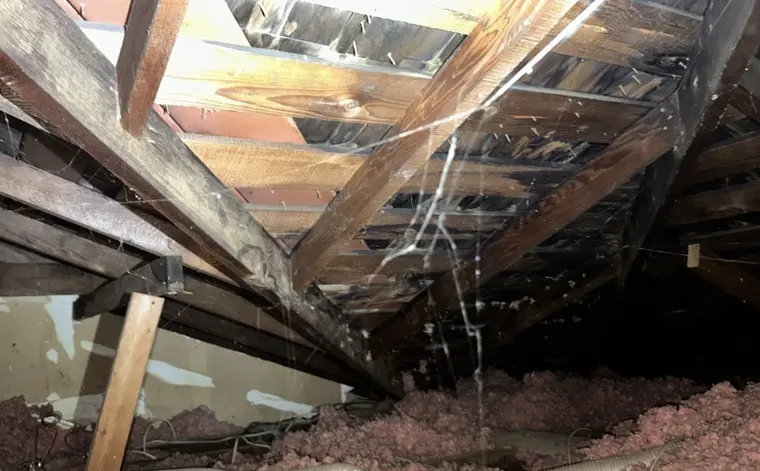
- Section 1: active infestation or existing damage (live termites, rotten wood, fungus). This is what needs to be fixed.
- Section 2: conditions that may cause problems later if nothing is done — leaks, wood touching soil, excess moisture.
Who pays, and what the lender wants
Many lenders only release the loan with Section 1 cleared, proven by a recent clearance certificate. Who pays for the repair is negotiated in the contract; in many sales the seller takes on Section 1, but there is no fixed rule, so put it in writing.
Do not skip the general inspection
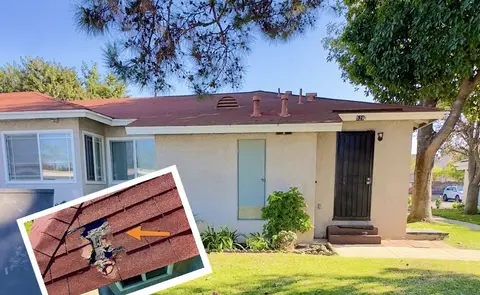
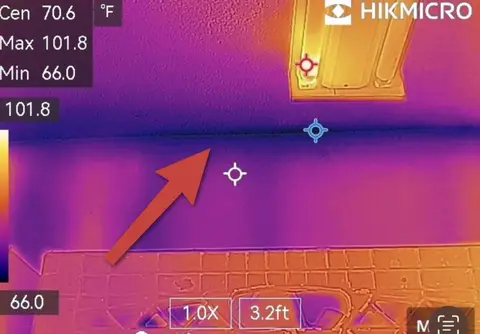
Beyond the termite report, the general home inspection looks at the roof, visible structure, electrical, plumbing, heating and signs of leaks. It is not required by law, but the standard purchase contract gives the buyer a period to investigate the property — 17 days unless otherwise agreed — and that is when it should happen. A beautiful finish says nothing about what is inside the walls.
Checklist for a home near the ocean
- Always ask for the termite (WDO) report and read both sections, not just the summary.
- Have the crawl space inspected: that is where moisture, damaged wood and signs of subterranean termites show up.
- Look for stains, a musty smell and fresh paint in isolated spots, which can hide leaks.
- Check windows, exterior doors and frames, which suffer most from salt air.
- If you suspect mold, consider a specialized assessment, which is not part of the general inspection.
- Budget for maintenance. A beach home needs preventive treatment, painting and checkups more often.
This article is for general information. Treatment procedures and loan requirements vary; follow the guidance of your inspector, a licensed pest control company and your agent.