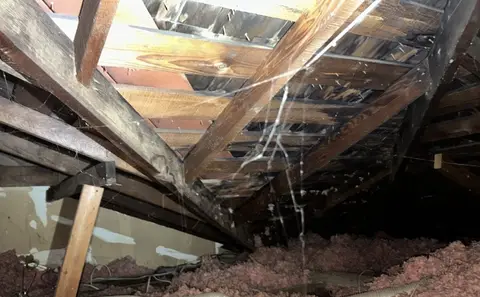
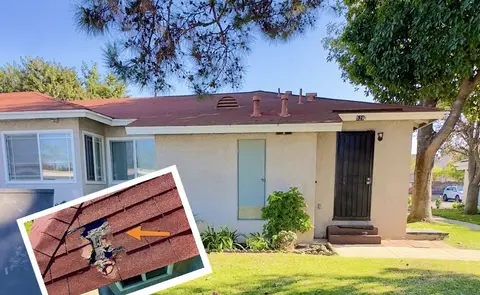
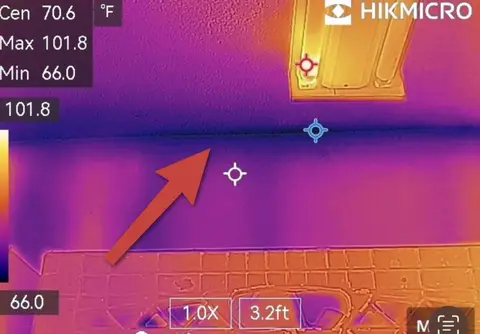
The inspection found problems: ask for a lower price, a credit, a repair — or walk away
The report arrived with a list. From it, the buyer can renegotiate the price, ask for a credit at closing, request repairs — or cancel with the deposit back. The seller, by contract, does not have to agree to any of it.
The moment the scale tips toward the buyer
In a California purchase, there is a point where the buyer gains leverage — after the price is already agreed. It is when the inspection report arrives. What gives the conversation its force is the exit: if there is no agreement, the buyer can cancel during the contingency and get the deposit back, because the money is held in escrow, not by the seller.
The four paths
There are four paths — and when the list is long, a mix of repair and credit is the most common outcome:
- Lower the price. Simple and direct — but the repair money comes out of your pocket later, and a price cut gives you little cash now if you are financing most of the purchase.
- Ask for a credit at closing. The seller covers part of the costs you would pay at signing. It is money available now, and often the preferred path if you will need to hire the work soon.
- Ask for the repair before closing. It makes sense when the item is essential for financing or insurance. The catch: the seller, who is on the way out, chooses the contractor and the standard of the work.
- Cancel. With the investigation contingency still active, the buyer walks away and the deposit comes back.
The request is a document — and the answer is optional
The request has its own form, the Request for Repair, and the seller answers on another form. The part that disappoints overconfident buyers: the seller is not required to agree, or even to respond.
That changes the strategy. A list of forty items, including a loose doorknob and a slow drain, signals that the buyer is trying to reopen the price — and usually gets silence. A list of three expensive items, each backed by a line in the report, signals a real problem to solve.
Two technical details
- Signing the agreement can remove your contingency. Once you accept the seller’s answer on the form, the inspection contingency is gone, and whatever shows up after that is yours.
- Your lender may limit the credit. Some loan products limit or prohibit seller credits, and some habitability repairs must be done rather than compensated. Check with your lender before choosing between a credit and a repair.
When walking away is the right call
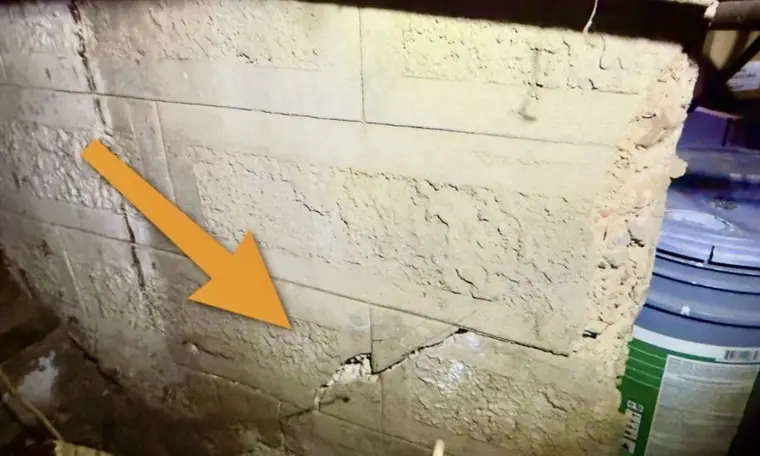
Signs of soil movement — doors that will not close properly or swing open on their own — are a common reason to walk away. The foundation is the most expensive item a house can have, and the most unpredictable: structural repair budgets tend to grow once the work starts, and it affects resale and insurance too.
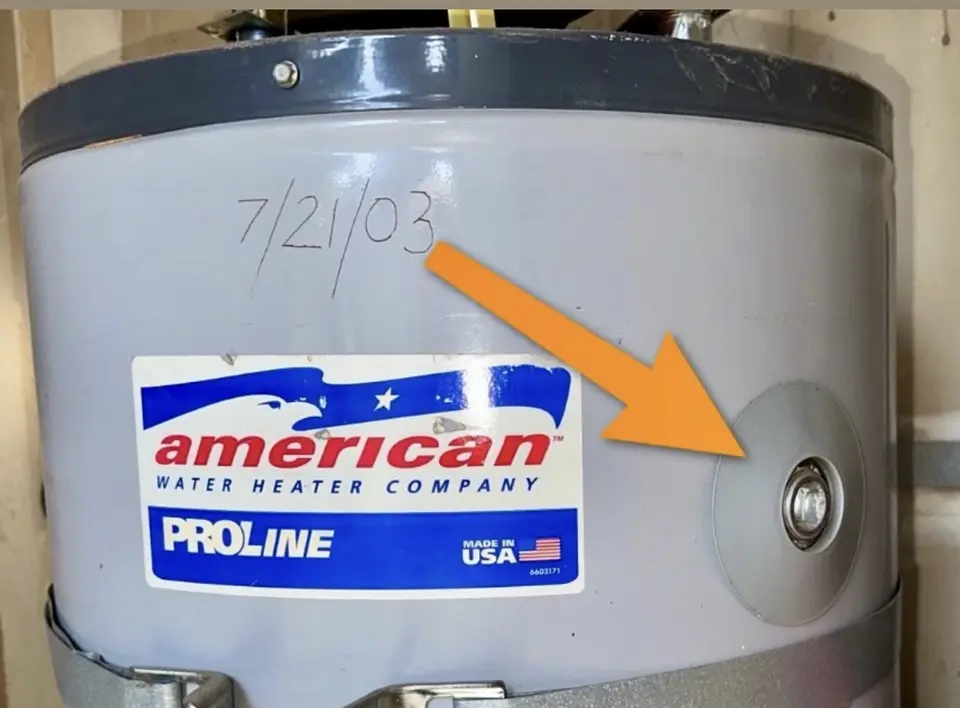
- Negotiable: a roof at the end of its life, an old water heater, outdated electrical, a sewer line that needs repair. Costly, but they can be quoted precisely.
- Yellow flag: recurring water intrusion, extensive mold, old plumbing throughout the house. Fixable, but the real cost only appears after a specialist looks.
- Red flag: soil movement, structural damage, unpermitted work the city can order removed.
How to go into that conversation
- Get quotes before you ask. A contractor’s number carries more weight than a guess.
- Prioritize. Three expensive items are worth more than thirty small ones.
- Ask within the deadline. Outside the contingency window, you lose your leverage.
- Check with your lender before settling on a credit.
- Do not use the report to rebuild the price from scratch. In a competitive market, that often ends with the seller going back to the next-best offer.
This article is for general information. Forms and obligations depend on the version of the contract you sign and what the parties negotiate; follow your agent’s guidance.